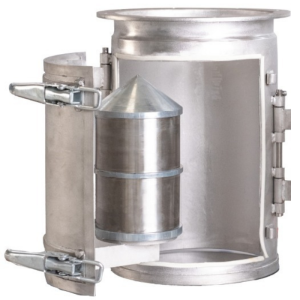
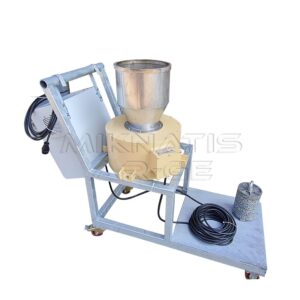
High-intensity magnetic field drums and systems represent a cornerstone technology in the field of material separation, specifically designed for the efficient extraction and purification of weakly magnetic materials from a product stream. These sophisticated systems leverage powerful magnetic forces to achieve precise separation, playing a critical role across various industrial applications from mining and recycling to food processing and ceramics. Their ability to recover valuable resources and remove contaminants significantly enhances product quality and operational efficiency.
Understanding High-Intensity Magnetic Field Drums and Systems
At their core, high-intensity magnetic field drums utilize a robust magnetic circuit contained within a rotating drum. As material is fed onto the surface of this drum, the intense magnetic field captures and holds the magnetic particles, while the non-magnetic material follows its natural trajectory, dropping away. The rotating action then carries the magnetic particles out of the main magnetic field, allowing them to be discharged into a separate chute, thus achieving a clean separation.
Technical Principles and Operation
- Magnetic Field Generation: These systems employ powerful magnetic assemblies, often utilizing high-grade rare-earth magnets (such as Neodymium-Iron-Boron or NdFeB) or electromagnets. The design ensures a steep magnetic field gradient, which is crucial for attracting even weakly magnetic substances. The field intensity can range from 8,000 to over 20,000 Gauss on the drum surface, far exceeding standard magnetic separators.
- Drum Mechanism: The drum itself is typically constructed from non-magnetic stainless steel, allowing the magnetic field to pass through unobstructed. An internal, stationary magnetic core is strategically positioned to create the desired magnetic separation zone. As the external drum shell rotates around this static magnet assembly, it effectively transports the attracted magnetic particles.
- Material Flow: Material is usually fed via a vibratory feeder or conveyor belt in a thin, even layer across the full width of the drum. This controlled feed ensures optimal exposure of all particles to the magnetic field, maximizing separation efficiency.
- Separation Process: As particles pass over the drum, weakly magnetic particles are drawn to the drum’s surface and held there by the strong magnetic force. Non-magnetic particles, unaffected, continue their trajectory due to gravity and inertia, falling into the non-magnetic product stream. The magnetic particles remain attached to the drum until they are carried past the extent of the magnetic field, where they then drop off into the magnetic product stream.
Key Components and Design Considerations
- Magnetic Circuit: The heart of the system, comprising permanent magnets or electromagnets arranged to create a high-gradient, high-intensity field. The configuration dictates the separation characteristics.
- Drum Construction: Robust, wear-resistant, non-magnetic materials (e.g., 304 or 316 stainless steel) are essential for durability and to prevent interference with the magnetic field. Drum diameter and width are specified based on desired throughput and material characteristics.
- Drive System: A motor and gearbox assembly provides precise, controlled rotation of the drum. Variable speed drives are often incorporated to fine-tune the separation process for different materials and desired purity levels.
- Housing and Enclosure: The entire system is typically enclosed in a dust-tight, heavy-duty fabricated housing to contain the material, protect components, and ensure operational safety.
- Feed System: Essential for presenting material uniformly to the drum. Vibratory feeders are common, ensuring a monolayer presentation crucial for effective separation.
- Splitters and Chutes: Adjustable splitter plates are used to precisely define the separation point between magnetic and non-magnetic fractions, allowing for optimization of product purity and recovery.
Applications Across Industries
The versatility and efficacy of high-intensity magnetic field drums make them indispensable in numerous sectors:
- Mining and Mineral Processing: Critical for upgrading various ores, including the separation of iron ore, tantalite, columbite, manganese, ilmenite, chromite, and other weakly magnetic minerals from gangue. They are also used in the purification of industrial minerals like silica sand, feldspar, and nepheline syenite.
- Recycling: Used for extracting valuable metals from incinerator ash, electronic waste (WEEE), slag, and automotive shredder residue (ASR), improving recovery rates and reducing landfill waste.
- Aggregates and Construction: Removal of tramp iron and other metallic contaminants from crushed stone, gravel, and sand to protect downstream equipment and improve product quality.
- Food Processing: Ensuring product safety by removing minute ferrous and weakly magnetic contaminants from grains, spices, sugar, and other food products.
- Chemical and Pharmaceutical: Purification of raw materials and finished products, especially where even trace amounts of metallic impurities are unacceptable.
- Ceramics and Glass: Removing iron-bearing impurities that can cause discoloration or defects in final products like glazes, clay, and glass cullet.
Advantages and Benefits
Implementing high-intensity magnetic field drums offers significant operational and economic advantages:
- Superior Separation Efficiency: Unmatched ability to recover or reject weakly magnetic particles that conventional magnetic separators cannot handle.
- Enhanced Product Purity: Achieves high levels of cleanliness for both magnetic and non-magnetic streams, increasing the value of the final product.
- High Throughput: Designed for continuous operation, capable of processing large volumes of material efficiently.
- Robust and Durable: Built to withstand harsh industrial environments, offering long service life and minimal maintenance requirements.
- Environmentally Friendly: Aids in resource recovery and waste reduction, contributing to more sustainable industrial practices.
- Versatility: Adaptable to a wide range of particle sizes and material types, with adjustable parameters for optimized separation.
In conclusion, high-intensity magnetic field drums and systems are crucial technologies for industries demanding precise and efficient separation of weakly magnetic materials. Their advanced technical design, robust construction, and versatile applications ensure high purity standards, enhanced resource recovery, and significant operational efficiencies, making them an invaluable asset in modern processing plants.