The Unseen Guardian: Enhancing Industrial Processes with Suspended Type Electromagnetic Plates
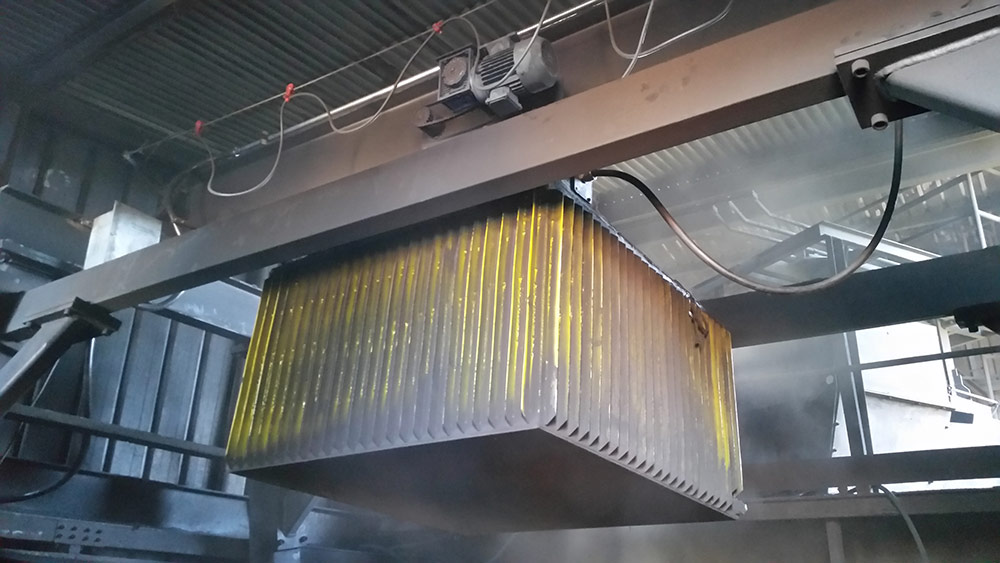
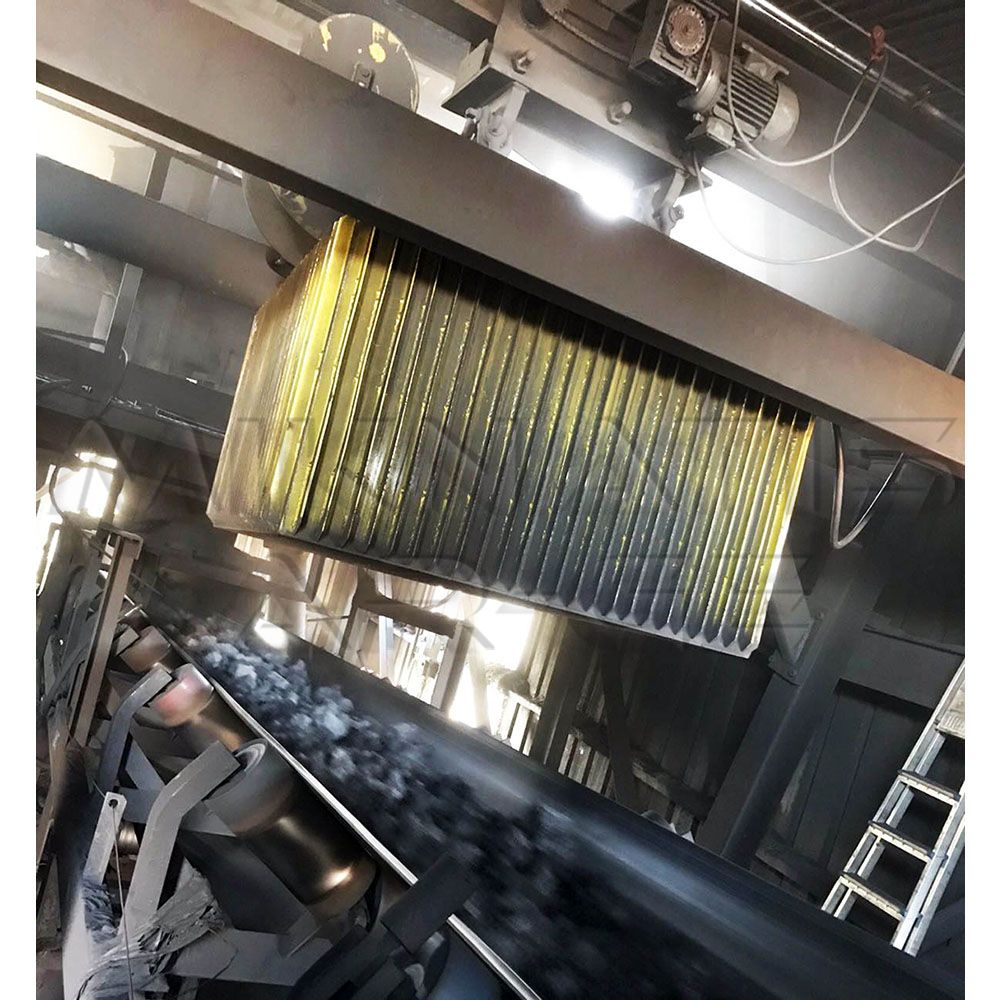
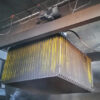
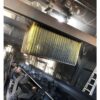
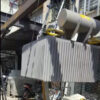
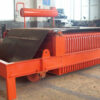
In various industrial sectors, the presence of unwanted ferromagnetic (Fe) materials such as free iron and steel can pose significant risks, leading to equipment damage, production downtime, and compromised product quality. Suspended Type Electromagnetic Plates serve as a critical defense mechanism, designed to efficiently extract these hazardous contaminants from conveyed materials. Positioned strategically above conveyor belts, these powerful magnetic separators are indispensable for protecting downstream machinery like crushers, mills, and grinders from potentially catastrophic metal inclusions. Furthermore, they play a vital role in preserving the integrity of conveyor belts themselves, particularly at high-impact transfer points, by removing sharp metal pieces that could cause damage or tears.
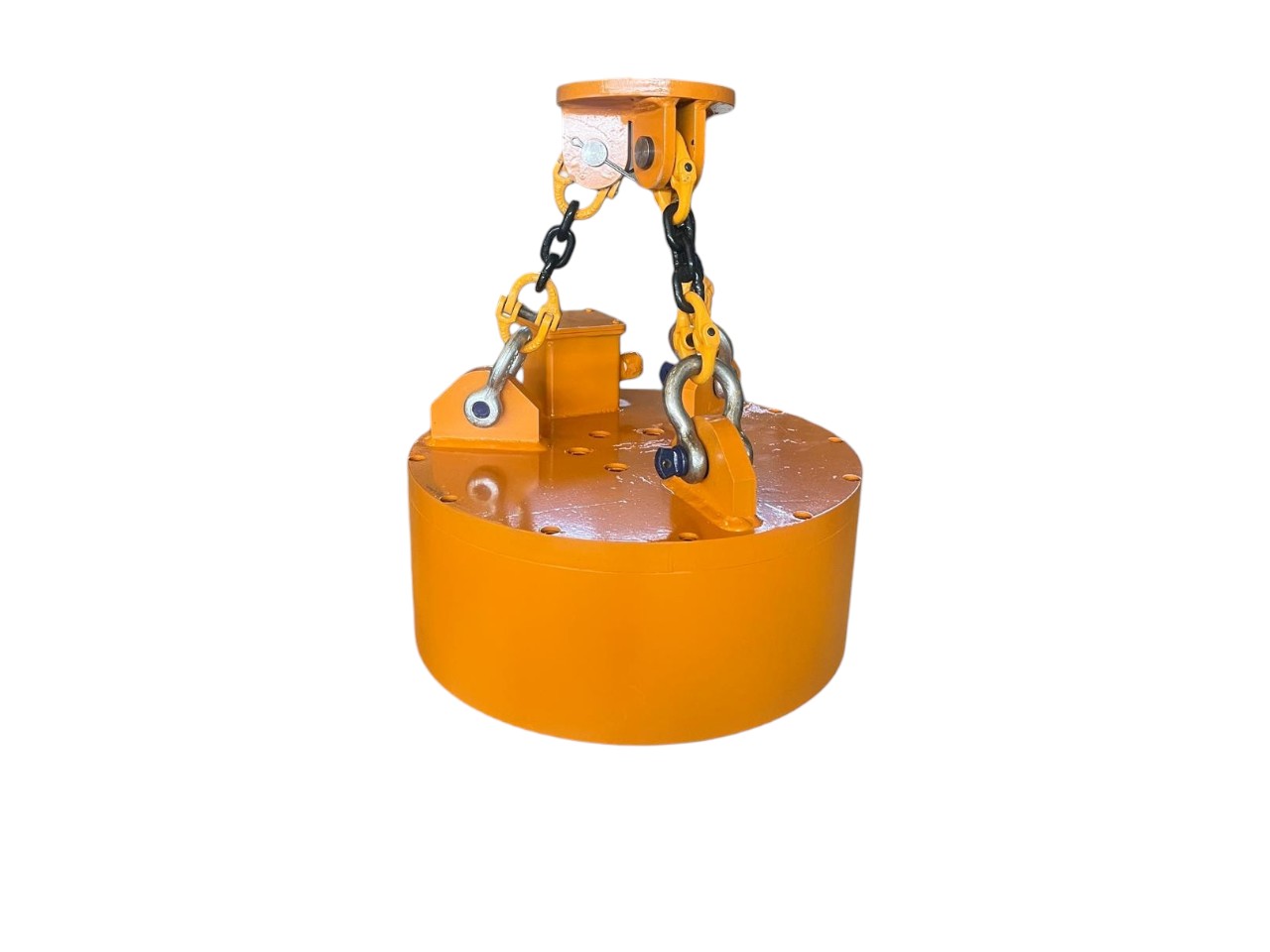
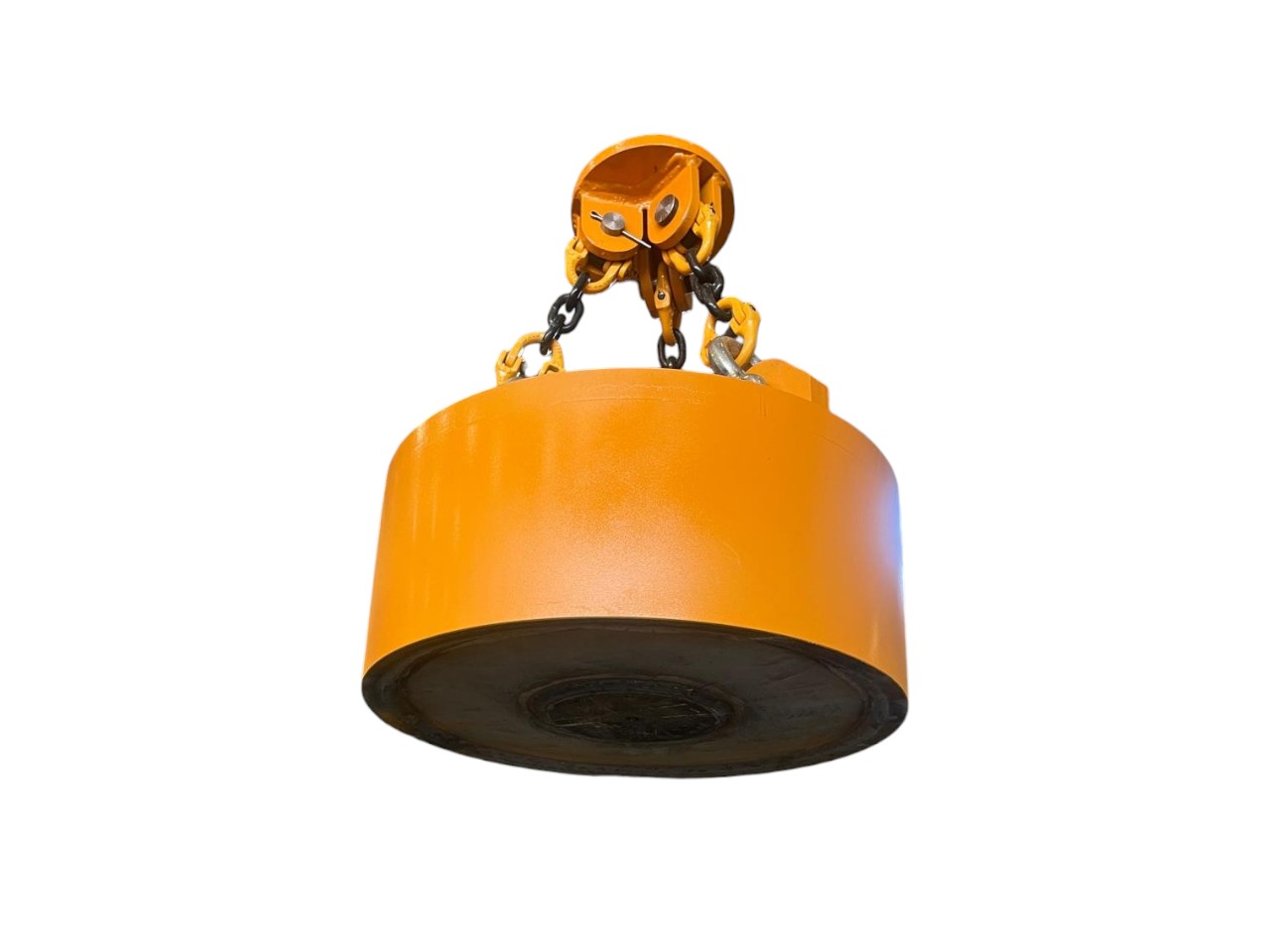
At their core, suspended electromagnets are robust and potent devices engineered to generate an exceptionally strong magnetic field. This formidable field allows them to effectively magnetize and capture large pieces of iron from a considerable distance above the material flow. However, for optimal performance and to prevent unintended magnetization, it is imperative that the conveyor belt chassis directly beneath the electromagnet, as well as any associated rollers, are constructed from non-magnetic materials. A key operational advantage of these systems is their controlled magnetism: the powerful magnetic field can be activated or deactivated as required, offering flexibility for maintenance, cleaning, and operational adjustments.
How Suspended Electromagnets Work: Principles and Design Considerations
The operational principle of a suspended electromagnet hinges on the creation of a powerful magnetic field through an electrical current. When electricity flows through a coil of wire (either aluminum or copper), it generates a magnetic field. The strength of this field is directly proportional to the current and the number of turns in the coil, allowing for significant magnetic forces capable of lifting heavy ferrous materials. The design of these plates focuses on maximizing this field’s reach and intensity downwards, ensuring effective capture from a moving material stream.
The effective working distance of the magnet is crucial. While electromagnets are inherently strong, the magnetic force diminishes rapidly with distance, following an inverse square law. This is why the maximum suspension height is a critical parameter, ensuring that the magnetic field remains potent enough to extract contaminants from the entire depth of the material burden on the conveyor belt. The ability to turn the electromagnet off is not only beneficial for safety during service but also simplifies the cleaning process, allowing captured ferrous particles to fall away once the magnetic field is removed.
Key Features and Operational Advantages
- Exceptional Installation Height: Suspended electromagnetic plates offer the maximum practical installation height among most magnetic separation systems, providing greater flexibility in plant layout and integration with existing conveyor lines.
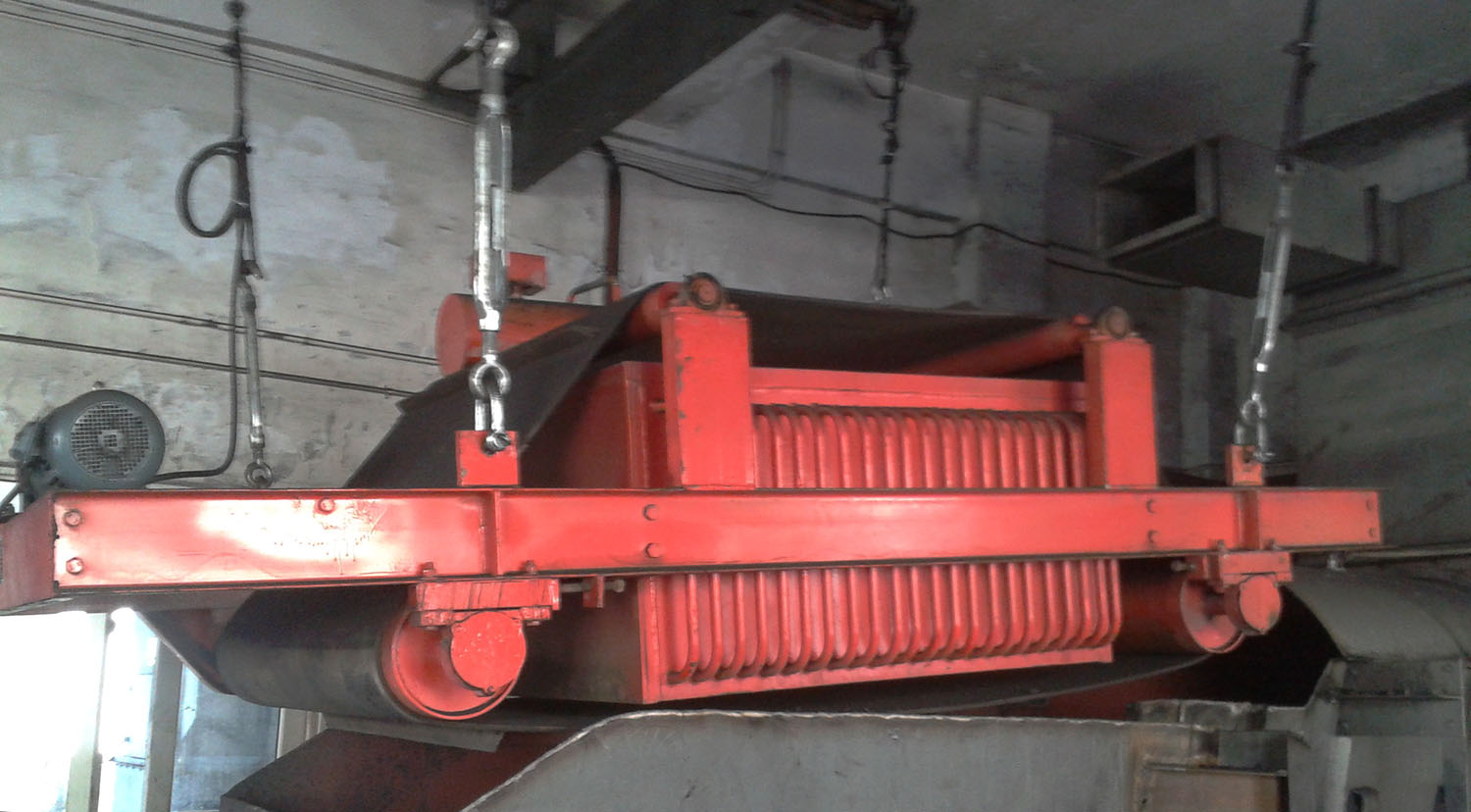
- Optimized Suspension for Maximum Efficacy: For peak performance, the maximum suspension height of the Electromagnetic Plate should typically not exceed 50 cm between the feeding band and the Electromagnet. This critical distance ensures the magnetic field strength is sufficient to penetrate the material burden and effectively extract ferrous contaminants.
- Controlled On-Demand Magnetism: Unlike permanent magnets, these systems operate when electricity is supplied, and instantly lose their magnetic property when the power is cut off. This controlled magnetic field is essential for safe operation, maintenance, and efficient cleaning procedures.
- Simplified Cleaning and Flexible Use: The ability to de-energize the electromagnet facilitates quick and easy cleaning. When the power is turned off, the accumulated ferromagnetic (Fe) particles are released from the magnet surface, making manual removal straightforward and efficient, thus offering manual quick cleaning and flexible use.
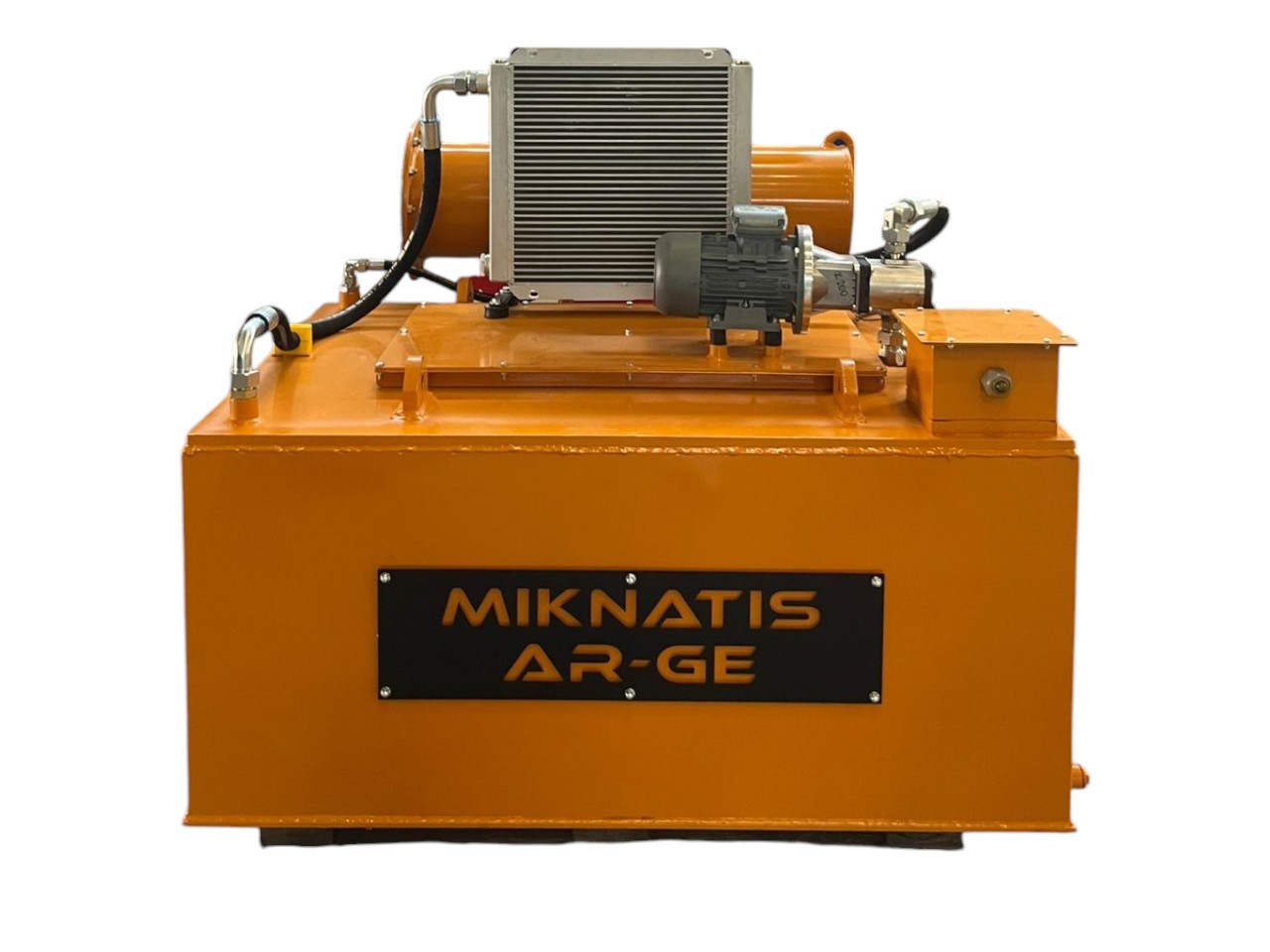
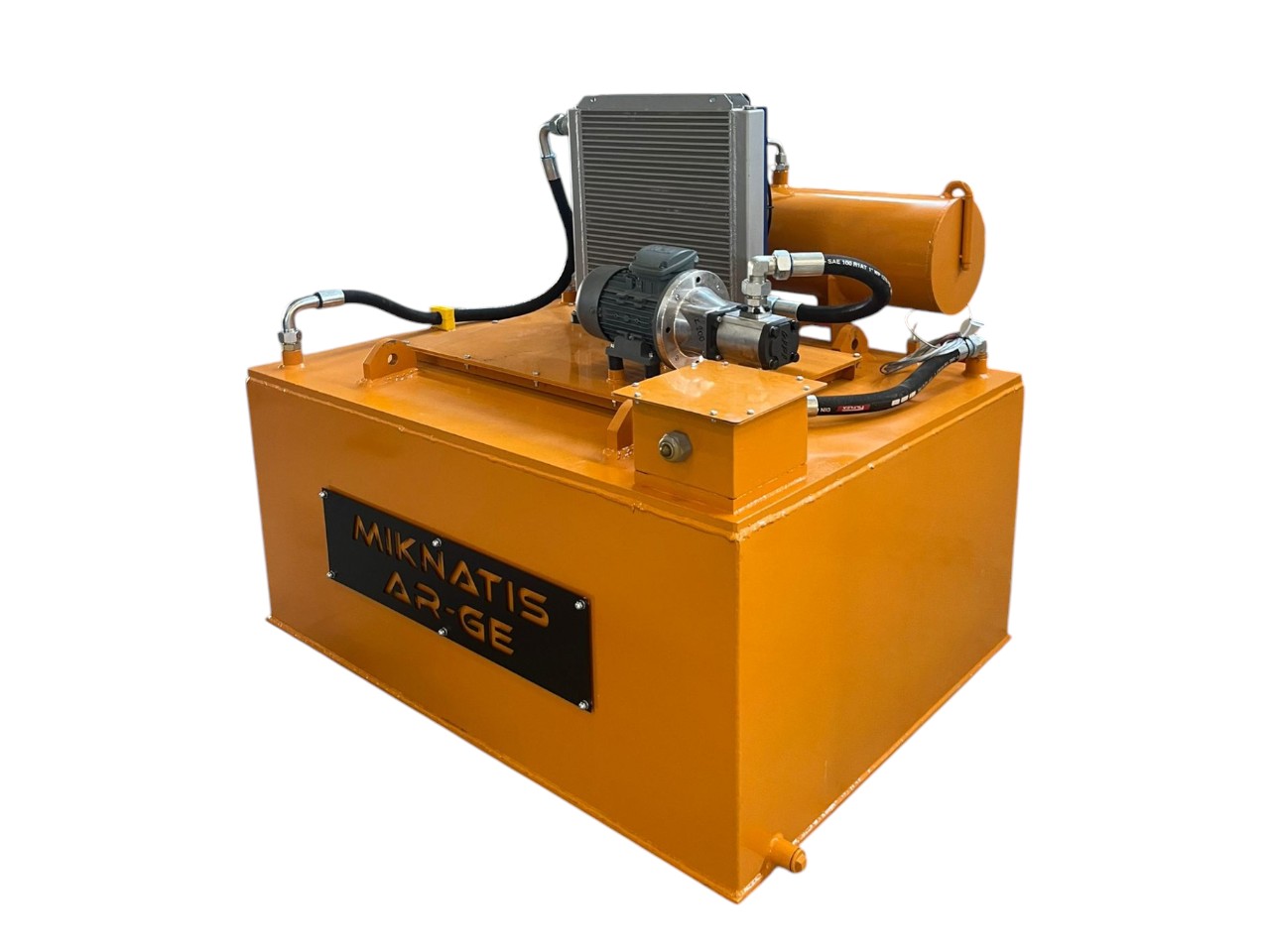
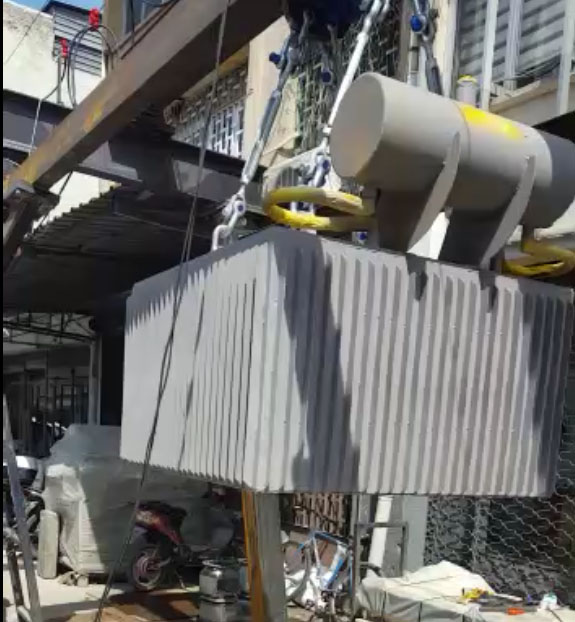
- Advanced Thermal Management Systems: Due to the continuous flow of electricity, the coils within the electromagnet generate heat. To prevent overheating and ensure sustained, reliable operation, units are equipped with sophisticated cooling mechanisms, including both air-cooled and oil-cooled models. These systems dissipate heat, extending the lifespan and maintaining the efficiency of the coils.
- High-Quality Coil Materials: The coils are manufactured using either high-purity aluminum or copper. Both materials offer excellent electrical conductivity, ensuring efficient magnetic field generation. The choice between them often depends on specific design requirements, cost considerations, and desired weight characteristics, with copper generally providing superior conductivity and durability.
Considerations and Disadvantages
- Increased Complexity: Suspended electromagnets are inherently more complex than their permanent (fixed) suspended plate magnet counterparts. They necessitate a large electric coil, intricate wiring, and a robust control system to generate and manage a powerful magnetic field. This complexity translates into more elaborate installation and operational requirements.
- Suitability for Fixed Installations: Given their weight, power requirements, and the need for a constant electrical supply, these systems are generally less suitable for mobile installations. They are predominantly deployed in stationary processing plants where a stable power source is readily available.
- Higher Initial and Operating Costs: While offering superior magnetic strength and control, electromagnets are typically more expensive to purchase than permanent suspended plate magnets. Furthermore, they incur ongoing operating costs due to power consumption and the need for a dedicated control board and power supply, which collectively increases the total cost of ownership.
- Enhanced Maintenance Requirements: The electrical and mechanical components, including the cooling system, power supply, and potentially moving parts in self-cleaning models, require more frequent and specialized maintenance compared to passive permanent magnets. Regular checks ensure optimal performance and longevity.
Styles and Models: Tailored Solutions for Material Separation
Suspended electromagnetic plates are available in various styles and models, each designed to address specific operational needs and material handling scenarios. The primary distinction lies in their cleaning mechanism: manual or automatic.
Manual Cleaning Models (Electromagnetic Plates)
In Manual Cleaning Electromagnetic Plate models, the magnet power can be periodically turned off to release and clean the gathered ferrous material. This method is ideal for applications with moderate contamination levels where periodic shutdowns for cleaning are feasible without significantly impacting production schedules.
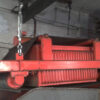
For operations that demand higher uptime, an innovative variation in Manual Cleaning Electromagnetic systems offers enhanced flexibility. If requested, these systems can be designed to allow the Electromagnet to slide from its position above the band to a side walkway. This mechanism, integrated with a dedicated stand or chassis, enables the electromagnet to continue magnetizing materials without immediately cutting off the energy. Once positioned on the side walkway, the accumulated ferromagnetic material can then be safely discharged away from the feeding conveyor belt. The system is then reactivated by sliding it back over the band and re-energizing it.
This sliding system is typically designed for robust and safe operation. It can be optionally configured to operate at the end of each shift or as needed, ensuring minimal disruption to continuous processes. The system is provided with a double-speed brake for controlled movement, an electric motor for precise positioning, and a trolley system to facilitate smooth transversal travel. Safety is paramount, supported by end-of-travel limit switches that prevent over-extension and ensure proper positioning. The movement mechanism and the operation of the Electromagnetic Plate can be conveniently managed via a wired hand terminal. For occupational safety, the system incorporates an audible alarm and a yellow warning lamp that activate while the system is in motion and until it reaches its first operating position. In the event of a system failure, a red warning lamp illuminates, providing immediate notification to operators.
Self-Cleaning Models (Auto-Cleaning Electromagnetic Plates)
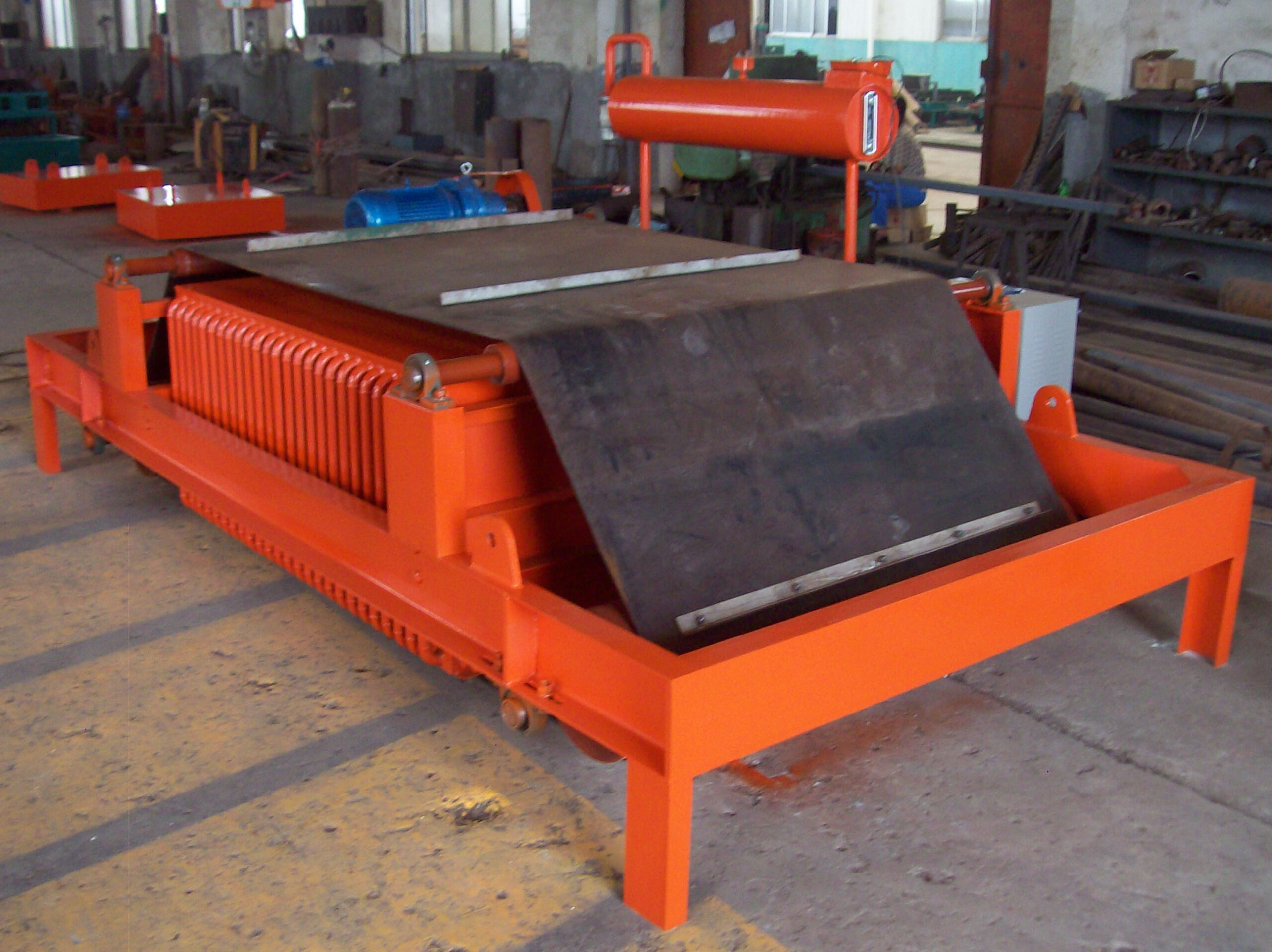
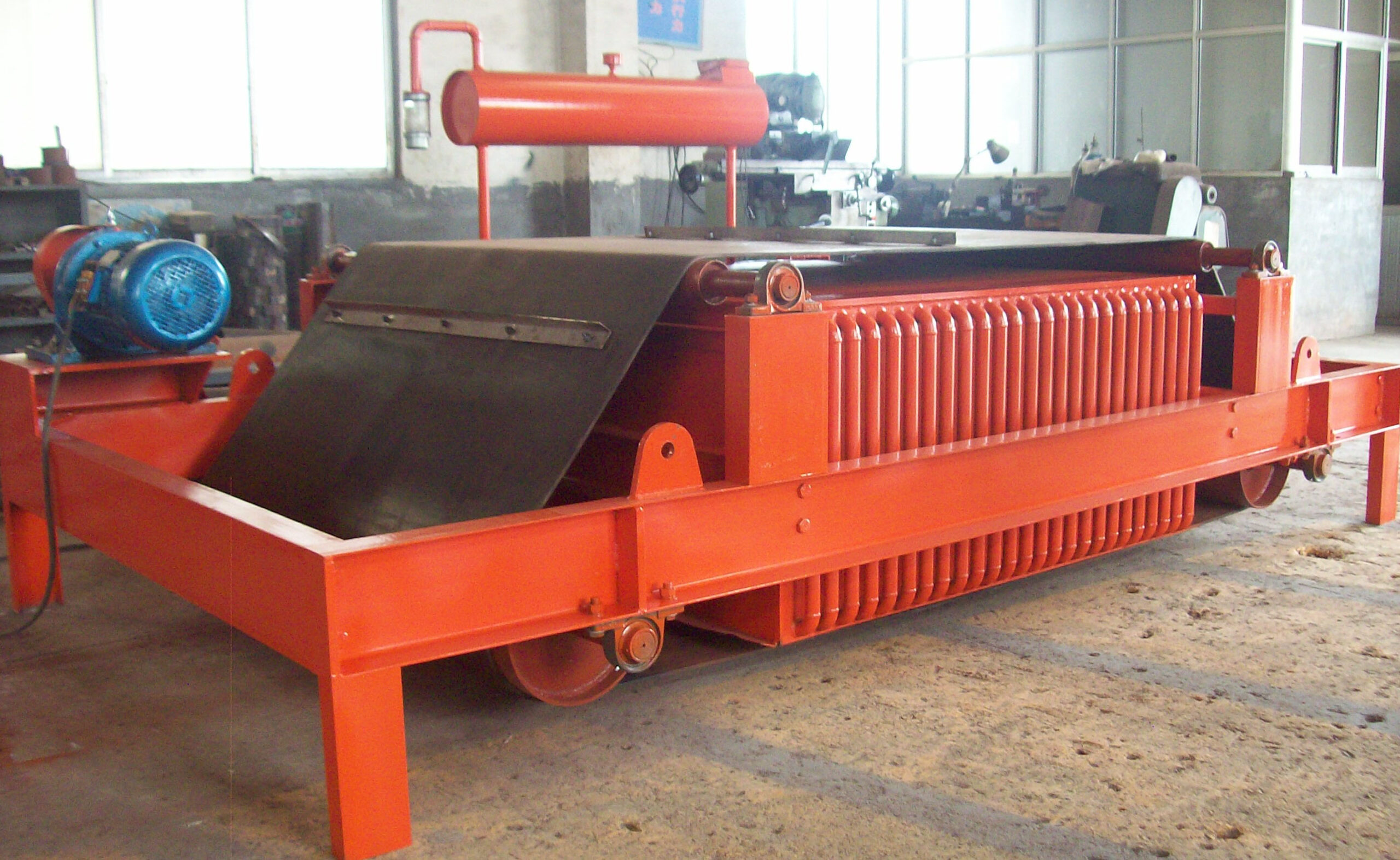
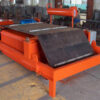
“Self-Cleaning Electromagnetic Plate” models represent the pinnacle of automation in magnetic separation, providing fully automatic product removal without human intervention. These advanced systems are engineered for continuous operation in high-volume applications with heavy ferrous contamination, eliminating the need for periodic manual cleaning shutdowns. They can be installed in two primary configurations: “parallel” to the conveyor belt (aligned with the material flow) or in a “cross-band” position (perpendicular to the material flow), depending on the specific application and space constraints.
Automatic Cleaning provides significant convenience, especially in the transport of dense ferromagnetic (Fe) materials over the Electromagnet. Both parallel and cross-band self-cleaning models feature an integral belt conveyor system that continuously cycles around the magnet. This secondary conveyor belt serves to automatically eject the collected ferrous material from the magnet surface, depositing it into a separate collection chute. This continuous removal mechanism ensures the magnet’s surface remains clear, maintaining optimal magnetic separation efficiency at all times.
The components of Automatic Cleaning Electromagnetic Plates (Self-cleaning) are built for durability and continuous performance. They include a robust conveyor belt specifically designed for abrasive conditions, high-quality bearings for smooth operation, a solid chassis providing structural integrity, adjustable tensioning mechanisms for the conveyor belt to maintain proper alignment and efficiency, and a reliable motor-reducer unit that drives the cleaning belt, ensuring consistent and powerful contaminant removal.
Conclusion: Optimizing Material Purity and Equipment Longevity
Suspended Type Electromagnetic Plates are indispensable tools for ensuring material purity, protecting valuable processing equipment, and enhancing operational safety across a multitude of industries. By effectively removing hazardous ferromagnetic contaminants, these systems minimize downtime, reduce maintenance costs, and contribute to a higher quality end product. Whether opting for the controlled flexibility of manual cleaning models or the continuous, automated efficiency of self-cleaning units, selecting the appropriate suspended electromagnet is a strategic investment that significantly contributes to the overall efficiency and profitability of industrial operations.