Introduction to Magnetic Pulleys
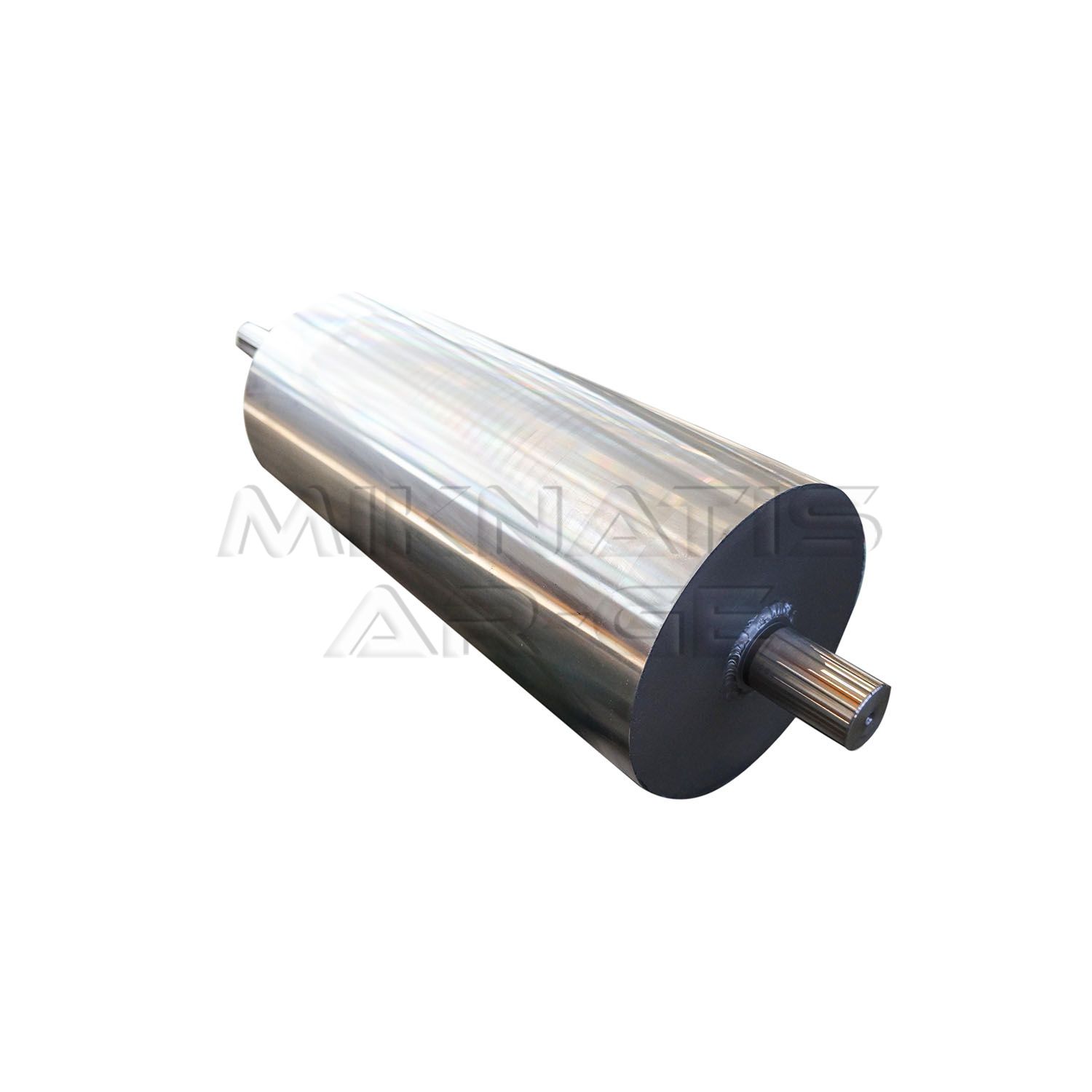
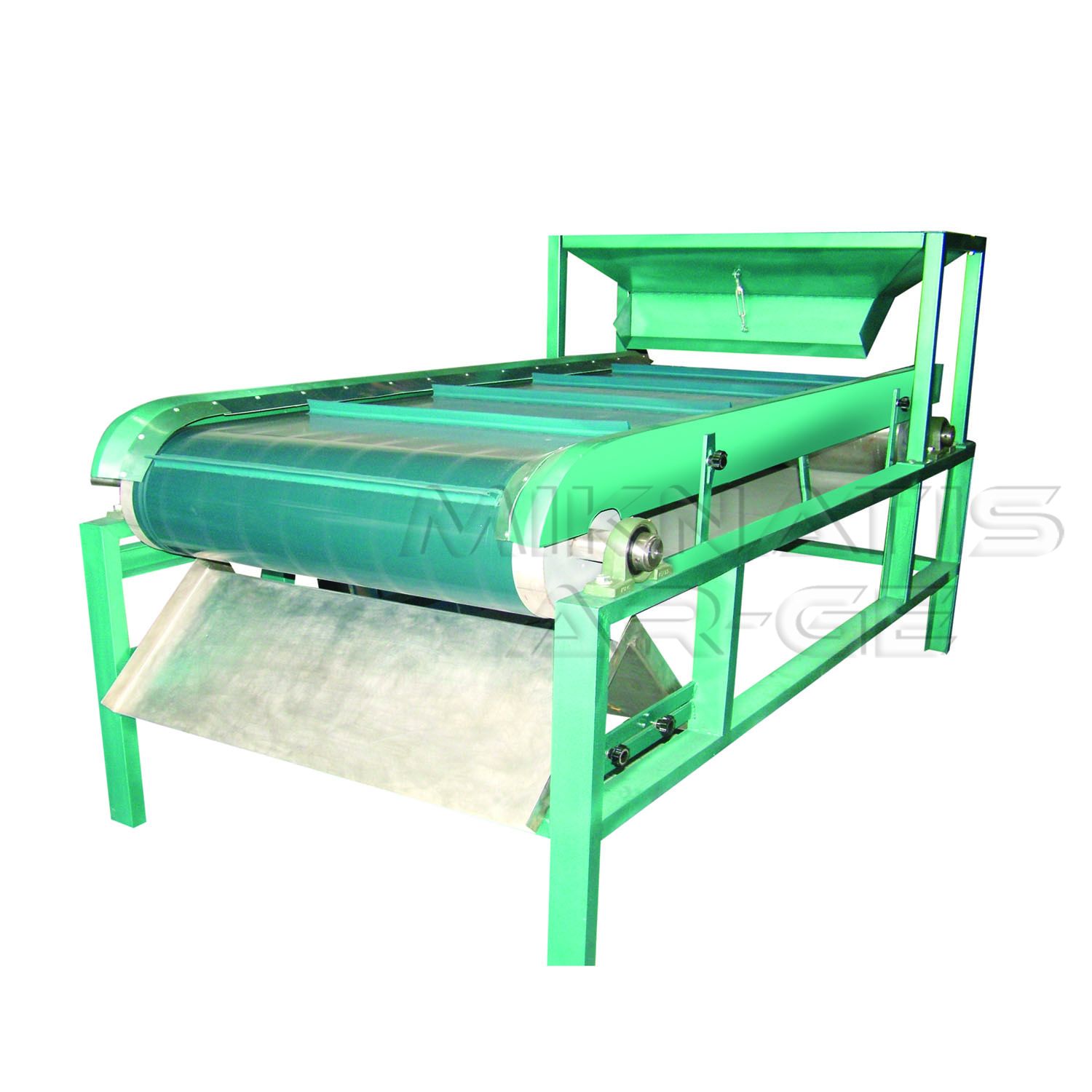
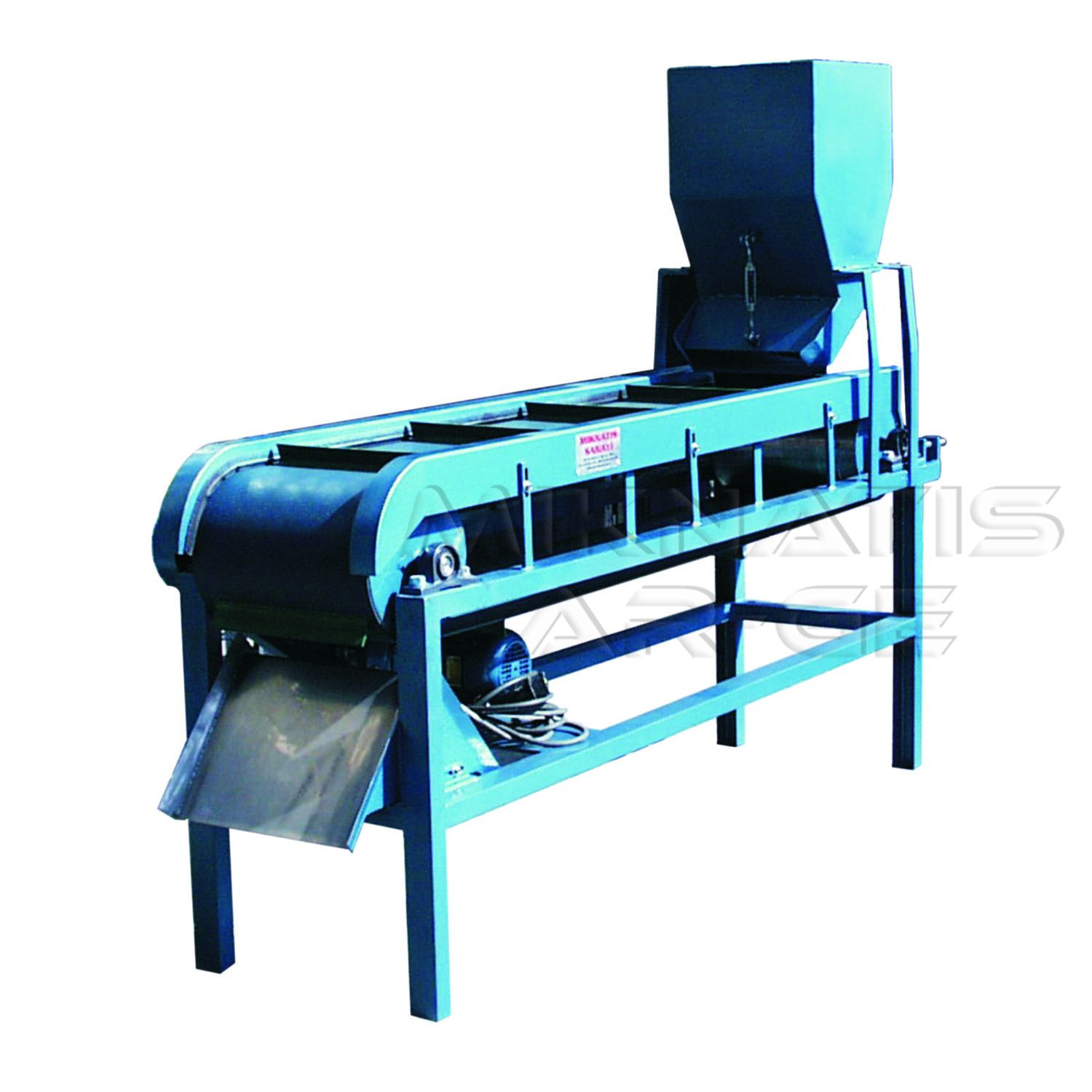
Magnetic Pulleys are integral components in modern material handling systems, specifically within belt conveyors, designed for the continuous and automatic separation of ferromagnetic particles. These can range from common iron and steel fragments to even weakly magnetic particles, such as those derived from machined stainless steel, across a broad spectrum of material sizes, from coarse aggregates to fine powders. Their integration into belt conveyors ensures the uninterrupted and automatic removal of unwanted metallic contaminants from a diverse array of materials, including but not limited to transported sand, gravel, limestone, various recyclable materials, wood products, foodstuffs, chemicals, minerals from mines, coal, ceramics, paper, plastic, and rubber, thereby safeguarding both product quality and processing equipment.
The Operational Principle: How Magnetic Pulleys Work
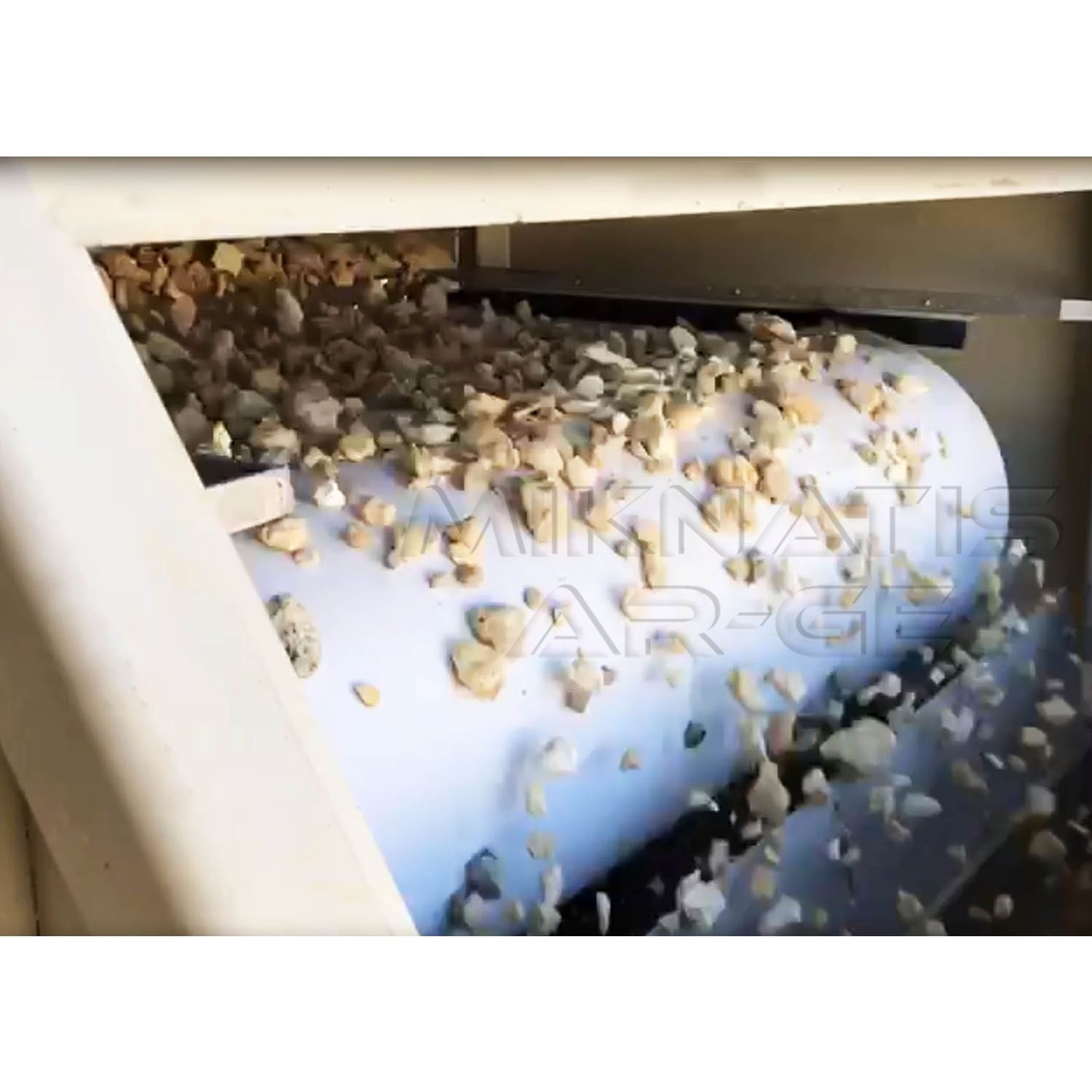
The fundamental mechanism of a magnetic pulley is elegantly simple yet highly effective. As shown in typical operational diagrams, the material being conveyed travels along the belt towards the magnetic drum, which replaces the conventional head pulley. Ferromagnetic and even weakly magnetic materials (e.g., iron, steel, or certain types of stainless steel particles) enters the powerful magnetic field generated by the drum. Upon entering this field, the iron particles become magnetized and are held securely to the conveyor belt. They remain adhered to the belt, following its curvature around the pulley, until it reaches the bottom, out of the magnetic field and discharged separately. The cleaned, non-magnetic material is discharged through the drum in a normal orbit, following its natural trajectory. The carefully engineered strength and depth of the magnetic field are critical, ensuring effective capture of contaminants even at higher belt speeds or with deeper material burdens, preventing carryover and ensuring optimal separation efficiency.
Types of Magnets and Polarization for Optimal Separation
The efficacy of a magnetic pulley heavily depends on the type of magnets used and their polarization configuration, tailored to the specific application. Magnetic Drums are manufactured from Ferrite magnets if the ferromagnetic material to be separated has high magnetic sensitivity. Ferrite magnets offer a robust and cost-effective solution, providing sufficient magnetic strength for common iron removal applications where contaminants are relatively easy to attract. Conversely, if the ferromagnetic material exhibits low magnetic sensitivity or if very fine particles need to be separated, Neodymium magnets are employed. Neodymium magnets, renowned for their significantly higher magnetic strength (Gauss rating) and deeper magnetic field penetration, provide the necessary intense pull force to capture these more challenging contaminants effectively.
Regarding magnet polarization, Standard Magnetic Drum models typically utilize axially polarized magnets. In this configuration, the magnetic poles are arranged along the axis of the drum, creating a consistent and uniform magnetic field around its circumference. This setup is generally suitable for a wide range of applications where a steady magnetic hold is required. For the more demanding separation of weak ferromagnetic particles with fine grain size, radial (diametrically) polarized magnets are often preferred. This radial arrangement creates a rapidly fluctuating magnetic field gradient around the drum’s circumference. This dynamic and aggressive field causes fine magnetic particles to tumble and reorient themselves as they pass over the pulley, increasing their chances of capture and significantly enhancing separation efficiency for minute contaminants. For optimal results with radial polarization, it is important for the efficiency of the separation that the product is finely and evenly fed, allowing individual particles maximum exposure to the dynamic magnetic field.
Key Benefits and Technical Advantages
- Robust Design and Unwavering Reliability: Magnetic pulleys designed and manufactured by Mıknatıs R&D exemplify strength and reliability. They are constructed from high-quality steel stainless tubing, incorporating precisely welded dividers that securely house and hold the array of powerful magnets. This robust construction ensures long-term durability and consistent performance even in demanding industrial environments, minimizing downtime and maintenance needs associated with mechanical failures.
- Versatility for High-Temperature Operations: A significant advantage is the capability for special manufacturing of full magnetic drums that can operate effectively at elevated temperatures. This is achieved by carefully selecting different types of magnets, such as specialized high-temperature Neodymium grades or Alnico magnets, which retain their magnetic properties even in extreme heat. This feature is indispensable for industries like metal recycling, foundries, or certain chemical processes where material temperatures can be exceptionally high.
- Superior Protection Against Machine Damage and Product Contamination: By efficiently removing tramp iron and other metallic debris, magnetic pulleys play a crucial role in preventing costly damage to downstream processing machinery such as crushers, grinders, pulverizers, and mills. Furthermore, they ensure the integrity and purity of the end product, which is critical in sensitive industries like food processing, pharmaceuticals, and plastics manufacturing, where even minute metallic contamination can lead to significant financial losses, product recalls, and reputational damage.
- Automatic and Continuous Cleaning Process: These systems provide fully automatic separation of iron (ferromagnetic material – Fe) from the materials being carried by the conveyor. This continuous self-cleaning action means there is no need for manual cleaning of the magnetic equipment, drastically reducing labor costs, eliminating human error, and ensuring consistent, uninterrupted separation efficiency around the clock without any operational halts.
- Exceptional Cost-Effectiveness: Magnetic pulleys are renowned for being practically maintenance-free. Since these permanent magnets are integrated into an existing conveyor installation, they require no external power source for their magnetic field and thus incur virtually no extra operating or energy costs beyond the conveyor system itself. Their long operational lifespan, minimal upkeep, and the protection they offer to other machinery contribute significantly to a low total cost of ownership, offering substantial economic benefits over time.
Selecting the Right Magnetic Pulley for Your Application
Choosing the optimal magnetic pulley involves careful consideration of several technical factors to maximize separation efficiency and operational performance. Key aspects include the characteristics of the material being processed (e.g., particle size distribution, bulk density, magnetic susceptibility of contaminants), the desired purity level of the final product, the operating speed and depth of the conveyor belt, and environmental conditions such as ambient temperature and moisture levels. Understanding these parameters helps in specifying the appropriate magnet type, polarization, and drum dimensions. Consulting with magnet separation specialists is highly recommended to ensure the selection of a magnetic pulley that is precisely engineered to meet the specific requirements and challenges of your industrial application, guaranteeing optimal contaminant removal.
Conclusion
Magnetic Pulleys stand as indispensable tools in a vast array of industries, offering a powerful, reliable, and cost-effective solution for continuous ferromagnetic separation. Their ability to protect valuable machinery from wear and damage, ensure product purity by removing unwanted metallic contaminants, and operate with minimal intervention and low maintenance makes them a cornerstone of efficient, safe, and sustainable material processing. As industries continue to demand higher quality products and more streamlined operational practices, the role of advanced magnetic separation technologies, exemplified by the innovation and effectiveness of magnetic pulleys, will only grow in importance in achieving these critical objectives.